20 Provinces Referendum Proposal in Pakistan
20 Provinces Referendum Proposal in Pakistan
Quick Summary
- Proposed Administrative Restructuring: A map circulating in political circles and social media proposes dividing Pakistan into 20 administrative units/provinces to decentralize authority.
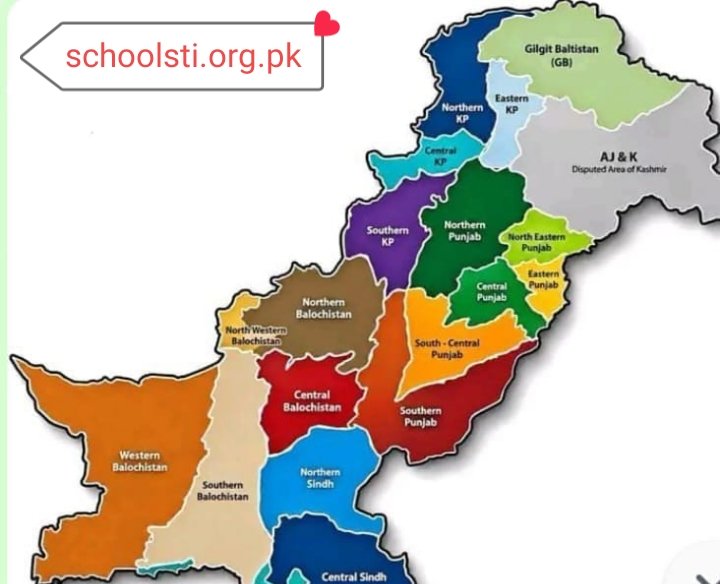
- Provincial Allocation: The proposed layout allocates 6 units to Punjab, 5 to Balochistan, 4 to Khyber Pakhtunkhwa (KP), 3 to Sindh, 1 to Gilgit-Baltistan (GB), and 1 to Azad Jammu & Kashmir (AJ&K).
- Core Drivers: Administrative inefficiency, over-centralized provincial capitals (Lahore, Karachi, Peshawar, Quetta), regional funding disparities, and delayed civic services.
- Constitutional Requirements: Creating new provinces requires a two-thirds majority in the Parliament and affected Provincial Assemblies under Article 239, leading to discussions regarding an Article 48 public referendum.
- Civic Impact: Decentralization aims to bring communal service delivery, educational administration, and infrastructure development closer to citizens at the district and divisional levels.
What Is the 20-Province Referendum Proposal in Pakistan?
The proposal to reorganize Pakistan into 20 smaller administrative units or provinces is a structural reform model designed to replace the current four-province division with smaller, governance-focused administrative territories. Under this framework, provincial authority is redistributed across 6 units in Punjab, 5 in Balochistan, 4 in Khyber Pakhtunkhwa, 3 in Sindh, 1 in Gilgit-Baltistan, and 1 in Azad Kashmir. The initiative seeks to shift administrative powers from distant provincial capitals to regional hubs, improving communal service delivery, budget allocations, and local governance.
Living in interior Punjab and managing web platforms and educational resources daily, I have repeatedly witnessed how over-centralization cripples local development. Whether it is a educator waiting months for simple departmental attestation from Lahore or a resident in Southern Punjab traveling seven hours just to follow up on a land record query, the current administrative setup imposes unnecessary costs on ordinary citizens.
Recently, a proposed political map detailing 20 administrative units gained widespread attention across news outlets and social media platforms. The map outlines a division based primarily on administrative feasibility rather than ethnic lines. This development sparked immediate debate among lawmakers, policy analysts, and the public. While critics view it as politically risky, several citizens living far from provincial headquarters see it as a long-overdue step toward equitable governance and accessible communal services.
Why Are Political Circles in Turmoil Over the Proposed Administrative Restructuring?
The discussion surrounding 20 proposed provinces has created significant debate across Pakistan’s political landscape. The central conflict lies between the preservation of historical provincial identity and the practical demand for administrative efficiency. Major political parties view the proposal through different lenses based on their electoral strongholds and administrative philosophies.
In large provinces like Punjab, political leaders have long faced pressure from regions such as Seraiki belt (South Punjab) and Hazara in KP, where local populations feel neglected in budget distribution. Conversely, political circles in Sindh express concern that dividing the province could disrupt historical unity and alter demographic balances in urban centers like Karachi and Hyderabad.
From an administrative standpoint, centralizing governance for a population of over 240 million people across just four primary provinces creates massive administrative bottlenecks. Below is a comparison highlighting the operational differences between the existing four-province setup and the proposed 20 administrative unit model:
| Key Governance Parameter | Current 4-Province Model | Proposed 20-Unit Administrative Model |
|---|---|---|
| Average Population Per Unit | 50 to 120+ Million (Punjab being largest) | 10 to 12 Million per unit |
| Distance to Provincial Capital | Up to 500+ kilometers for remote districts | 50 to 150 kilometers maximum |
| Local Civil Service Oversight | Concentrated in 4 provincial secretariats | Distributed across 20 regional secretariats |
| Budget Allocation Mechanism | NFC Award divided among 4 major provinces | Decentralized NFC distribution to 20 units |
| Public Service Delivery Speed | High administrative delay and red tape | Direct regional oversight and quicker execution |
| Legislative Assembly Size | Large assemblies (e.g., Punjab with 371 seats) | Capped little assemblies (~50 members per unit) |
How Would the 20 Proposed Provinces Be Divided Across Regions?
The circulating administrative map breaks down Pakistan’s geography into manageable operational zones, using established divisional boundaries to define the modern units. By reducing the land size and population weight of each unit, local administrators can monitor schools, hospitals, road networks, and law enforcement far more effectively.
How Is Punjab Divided Under the 20-Unit Plan?
Punjab, currently home to over 120 million folks, is split into six distinct administrative units:
- Northern Punjab: Centered around Rawalpindi, Attock, and Chakwal.
- North-Eastern Punjab: Encompassing Gujrat, Sialkot, and Gujranwala regions.
- Eastern Punjab: Covering the central metropolitan zone of Lahore, Kasur, and Sheikhupura.
- Central Punjab: Encompassing Faisalabad, Jhang, and Toba Tek Singh.
- South-Central Punjab: Covering Sahiwal, Okara, Pakpattan, and Multan.
- Southern Punjab: Incorporating Bahawalpur, Rahim Yar Khan, Dera Ghazi Khan, and Muzaffargarh.
How Is Sindh Divided Under the 20-Unit Plan?
Sindh is restructured into three administrative territories:
- Northern Sindh: Encompassing Sukkur, Larkana, and Ghotki.
- Central Sindh: Covering Shaheed Benazirabad, Dadu, and Mirpurkhas.
- Southern Sindh / Karachi Unit: Concentrating on urban Karachi, Hyderabad, and coastal industrial zones.
How Is Balochistan Divided Under the 20-Unit Plan?
Balochistan, which covers nearly 44% of Pakistan’s total land area, receives five smaller administrative units to solve vast distance hurdles:
- Northern Balochistan: Centered around Zhob and Loralai.
- North-Western Balochistan: Covering Chaman, Pishin, and border districts.
- Central Balochistan: Centered around Quetta, Mastung, and Kalat.
- Western Balochistan: Covering Chagai, Kharan, and Washuk.
- Southern Balochistan / Makran Unit: Incorporating Gwadar, Turbat, and Panjgur coastal trade corridors.
How Are KP, Gilgit-Baltistan, and Azad Kashmir Structured?
- Khyber Pakhtunkhwa (4 Units): Divided into Northern KP (Malakand/Hazara), Eastern KP, Central KP (Peshawar/Mardan), and Southern KP (Bannu/D.I. Khan).
- Gilgit-Baltistan (1 Unit): Formally integrated as a full administrative provincial unit to streamline regional governance and tourism infrastructure.
- Azad Jammu & Kashmir (1 Unit): Streamlined administrative governance unit centered on local communal administration.
What Are the Legal and Constitutional Obstacles Standing in the Way of a Referendum?
Creating new administrative units in Pakistan is not merely an executive order; it is a rigorous constitutional process. According to the Constitution of Pakistan, altering provincial boundaries requires amending Article 1 and Article 239.
To pass a constitutional amendment for new provinces, the following legal milestones must be met:
- Two-Thirds Majority in Parliament: Both the National Assembly and the Senate must pass the bill with a two-thirds majority vote. Official details on legislative procedures can be reviewed on the National Assembly of Pakistan portal.
- Provincial Assembly Approval: Under Article 239(4), the provincial assembly of the affected province must also pass the resolution by a two-thirds majority of its total membership.
- Electoral Re-demarcation: The Election Commission of Pakistan must redraw national and regional constituencies to match the modern territorial lines.
Since political polarization makes achieving two-thirds consensus across multiple provincial assemblies challenging, legal experts have proposed leveraging Article 48 of the Constitution. Write-up 48 empowers the Prime Minister to refer a matter of national importance to a open referendum. Proponents argue that a nationwide referendum would give voters a direct voice in deciding whether administrative decentralization should proceed.
How Does Administrative Decentralization Impact Public Education and Civic Services?
When administrative power is held tightly in provincial capitals, local public infrastructure suffers the most. Public sector education, municipal services, and local health facilities often experience severe delays due to multi-tiered bureaucratic approvals.
In the education sector, decentralized administrative units allow regional directorates to respond rapidly to local needs. For instance, academy infrastructure maintenance, instructor recruitment drives, and equipment procurement can be executed at the district stage without waiting for central secretariat sign-offs in Lahore or Karachi.
Citizens looking for reliable educational updates, administration notifications, and teaching recruitment guidelines frequently rely on digital platforms to bypass bureaucratic delays. For step-by-step guides on public education updates, recruitment criteria, and institutional notices, visiting the SchoolSTI Educational Portal provides structured access to essential administrative documents.
Administrative decentralization directly benefits the open in several practical ways:
- Faster File Approvals: Direct access to regional secretaries reduces processing times for open service requests from months to days.
- Localized Budget Management: Development funds are spent directly within the region where revenue is collected, rather than concentrating in major metropolitan centers.
- Improved Educational Monitoring: District education officers can inspect schools, address teacher shortages, and manage local grants with greater direct accountability.
- Reduced Citizen Travel Expenditure: Residents no longer want to spend significant funds traveling to distant provincial capitals for basic administrative tasks.
What Steps Can Citizens Take to Access Government and Educational Services Online?
While political debates over administrative boundaries continue, authority departments have increasingly digitized general services to reduce red tape. Citizens can access official forms, apply for civic registrations, and follow recruitment updates directly through official portals.
Here is a practical guide to navigating government and educational service portals effectively:
- Identify the Correct Portal: Determine whether your required service falls under provincial education, land records, or municipal administration.
- Prepare Digital Documentation: Ensure all official documents, CNIC copies, educational degrees, and domicile certificates are scanned in apparent PDF or JPEG formats.
- Utilize District and Portal Helpdesks: Access official service platforms to verify application requirements before submitting physical files.
- Track Application Status Online: Use tracking IDs provided by digital portals to monitor file processing without visiting central offices in person.
- Verify Recruitment and Institutional Notices: Follow verified educational news sites to stay updated on temporary teaching positions (STI), academy registration systems (PEPRIS), and local governance updates.
Action Callout: To browse the latest educational notifications, administrative guidelines, and open portal updates, visit the official link below:
Apply Online & Access Educational Updates
What Common Mistakes Should Citizens and Policymakers Avoid in the Decentralization Debate?
Navigating discussions about modern provinces requires distinguishing between political rhetoric and practical administrative reform. Both policy makers and citizens frequently fall into predictable traps during these national debates.
- Conflating Administrative Units with Ethnic Divisions: Proposing smaller administrative units is meant to streamline governance, not divide communities. Viewing administrative reform through an ethnic lens creates unnecessary political friction.
- Ignoring Local Government Systems: Creating new provinces without empowering local union councils and municipal committees fails to solve the root difficulty. True power transfer must reach the grass-roots stage.
- Expecting Immediate Infrastructure Creation: Building modern administrative secretariats, high courts, and departmental headquarters requires substantial financial planning over a multi-twelve months transition period.
- Overlooking Existing Civil Service Networks: Reorganizing provinces does not need hiring vast modern bureaucracies; existing divisional officers, commissioners, and deputy directors can be re-designated to staff regional units efficiently.
Frequently Asked Questions (FAQs) About the Proposed 20 Provinces in Pakistan
What is the main objective of creating 20 proposed provinces in Pakistan?
The primary goal is to decentralize administrative power from centralized provincial capitals to regional divisions, improving public governance, reducing administrative delays, and ensuring equitable development funding across all districts.
Which province would be split into the highest number of administrative units?
Under the proposed plan, Punjab would be divided into six administrative units due to its large population of over 120 million persons, followed by Balochistan with five units to manage its vast geographical expanse.
Is a referendum legally allowed under the Constitution of Pakistan?
Yes, under Article 48 of the Constitution, the Prime Minister can request Parliament to refer a matter of national importance to a national referendum, allowing citizens to vote directly on the proposal.
How would the formation of smaller provinces affect open sector jobs and education?
Smaller administrative units bring departmental secretariats closer to local communities. This accelerates recruitment drives, streamlines instructor transfers, improves academy monitoring, and ensures local recruitment quotas are filled by residents of that particular region.
Official updates regarding federal policies, legislative bills, and national statistics can be accessed through the Government of Pakistan Official Portal.
Final Thoughts and Action Plan
The debate over creating 20 administrative units in Pakistan highlights a fundamental reality: a nation of 240 million folks cannot be managed efficiently through four centralized provincial secretariats. Reorganizing governance around smaller, service-oriented administrative units offers a clear pathway toward superior open infrastructure, faster civil service delivery, and equitable budget distribution.
While constitutional and political challenges remain, the trend toward administrative decentralization and open service digitization is already underway. Citizens, educators, and open sector applicants should leverage online governance tools, stay informed through reliable data portals, and participate constructively in discussions regarding local administrative reform.
Author Bio & Article Information
About the Author:
Majid Farooq is a Web Developer, Educational Content Writer, and Civil Service Policy Observer based in Pakistan. With extensive experience in analyzing communal sector administrative workflows, digital educational portals, and local governance systems, he regularly publishes operational guides and analytical articles to help citizens navigate complex administrative procedures smoothly.
- Last Updated: August 1, 2026
- Topic Category: Administrative Reforms / Governance & Education in Pakistan
References & High-Authority External Links
- Federal Administrative Framework and Policies: Government of Pakistan Official Portal
- Legislative Bills and Constitutional Amendment Rules: National Assembly of Pakistan
- Electoral Constituencies and Re-demarcation Rules: Election Commission of Pakistan
- Educational Notifications and Local Public Sector Updates: SchoolSTI Educational Portal
20 نئے صوبے بنانے کے لیے ریفرنڈم کی بازگشت، سیاسی ایوانوں میں کھلبلی مچ گئی
پاکستان میں مجوزہ 20 صوبے یا انتظامی اکائیاں بنانے کی تیاریاں، جن میں اختیارات مقامی سطح پر منتقل کیے جائیں گے
پنجاب میں 6 سندھ میں 3 بلوچستان میں 5 خیبر پختون خوا میں 4 جبکہ گلگت اور کشمیر کا ایک ایک یونٹ ہوگا۔
ملک میں نئے انتظامی یونٹس یا صوبوں کی تشکیل اور عوامی ریفرنڈم کے حوالے سے بحث نے سیاسی حلقوں میں ہلچل مچا دی ہے
بنیادی وجوہات میں خراب طرزِ حکمرانی، اختیارات کی نچلی سطح تک منتقلی کا نہ ہونا اور موجودہ انتظامی ڈھانچے کی ناکامی شامل ہیں
جن حلقوں سے نئے انتظامی یونٹس کی بات آئی ہے یہ نیا نقشہ بھی ادھر سے آ کر سوشل میڈیا پر گھوم رہا